


This post may contain affiliate links. We earn from qualifying purchases. Learn More
With their incredible speed and power, there is nothing quite as exciting as watching racehorses run neck to neck down the final stretch of the track. There is pride in the ability to watch a horse you own tear up the racetrack and come home a winner. So, how much does a racehorse cost?
The average sale price of a racehorse is $75,000 to $100,000. However, the price can range drastically, with some horses only costing a few thousand to others costing over $300,000. There are several factors that can contribute to this cost including age, pedigree, training, record, and conformation of the horse.
In April 2021, at the largest racehorse sale in the world, the Keeneland Digital Sale, multiple horses sold for over $150,000. Also, four horses sold for under $10,000 each with the cheapest being $5,000.
The sales price of a horse is just the beginning. You have to pay the cost of board, training, vet bills, farrier expenses, and equipment. In addition, racehorse ownership also comes with additional costs including nomination, licensing, entry, and mount fees.
Factors That Affect the Cost of a Racehorse
Before you start shopping for a racehorse, it is important to understand the factors that contribute to the cost. This can help you understand why the price varies so much.
Age
Age can play a factor in the price. A foal or yearling likely will come in less than a two-year-old who has training and racing experience under his belt. In addition, older racehorses likely won’t cost as much as they are already past their career prime.
Horses that have an excellent racing record and the potential of being a top-producing sire can sell for millions, even if they are getting older. However, if it is an older racehorse with a relatively unimpressive record, they will likely only sell for a few thousand dollars.
According to The Jockey Club, the average price of a Thoroughbred weanling sold at auction between 2021-2022 was $70,605 and the average price of a two-year-old was $92,613.
Conformation
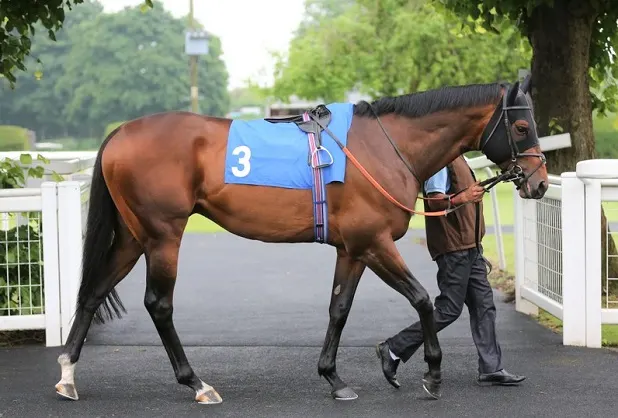
Conformation is very important in a racehorse. You want a Thoroughbred that is built for speed and power.
Any conformation flaws that may impact a horse’s racing ability will drastically drop the price of a horse. On the other hand, a horse with stellar conformation will often sell for top dollar.

Pedigree
A good pedigree is very important in the Thoroughbred racing world. If you want a horse that is sired by a Kentucky Derby winner, you better have a hefty budget.
In 2019, a filly sired by Triple Crown winner American Pharoah sold for a whopping $8.2 million at the Keeneland September Yearling Sale. A horse bred out of a proven sire will often sell in the upper hundreds of thousands to millions of dollars.
Training
Training a horse requires lots of time, patience, and dedication. Once a horse begins training, its price will generally rise due to all the work that goes into preparing a horse for racing.
Record
A solid record is very important to the cost of a racehorse. Not only is their win record important, but also what level of races they are competing at.
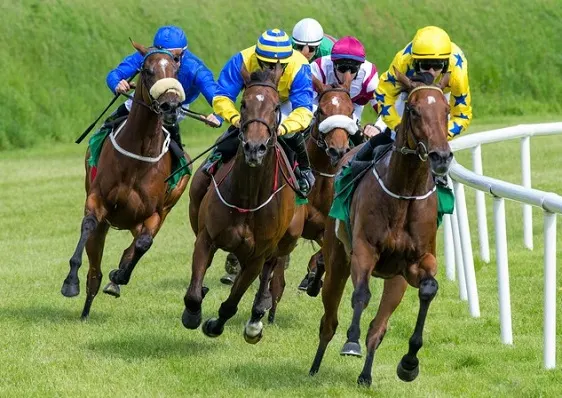
There are four main classes of horse races: maiden, allowance, claiming, and stakes. Within stakes, there are Graded Stakes: Grade I, Grade II, and Grade III. Grade I is the highest level among all the types of horse races.
Maiden races are normally where horses get their start, as only horses that have never won a race can compete in them. After maiden races come allowance races, which tend to be the middle ground in the racing world.
In claiming races, the horses are for sale and only race against other horses at the same price point. People can then purchase the horse for the price listed on the race after watching the horse compete. It is a good way to find a horse in your budget, as they can run for as little as $1,000 all the way up to $100,000.
The highest level of races is stake races. These are reserved for the best horses and have the largest purses. Most horses start at Grade III and work up to Grade I. Horses with multiple Grade I wins under their belt will often sell for $100,000 and upwards into the millions.

Also read: 15 Interesting Kentucky Derby Facts
Ongoing Costs of Owning a Racehorse
According to Yahoo, it can cost between $40,000 to $60,000 per year to maintain a competitive racehorse. This is significantly higher than the average cost of owning a horse for pleasure riding, which according to the University of Maine averages between $5,238 to $6,898 annually.
Board and Training
The cost of boarding and training are the most expensive monthly fees you will pay. Depending on the facilities, board can cost an average of $400-$1,500 a month. This includes the price of food, water, shavings, everyday care, turnout, and stall cleaning, among other things.
Since racehorses are top athletes, they need to be kept in regular training. Training can cost anywhere from $500-$3,000 a month for racehorses. Depending on the facility, some places may combine the cost of board and training together.
Equipment
Racehorses need a lot of equipment. You need to supply tack, grooming equipment, training gear, racing silks, and more. This can easily cost upwards of $1,000 to $5,000.

Vet and Farrier Expenses
Horses need their feet trimmed and shoes reset approximately every six weeks. The average cost of a trim and shoes is around $130 a visit.
Horses also need annual vet checks, vaccines, and other care. This can easily cost a few hundred dollars to a few thousand more a year. As racehorses are top-tier athletes, they often need more vet check-ups and supplements than the average horse.
Racing Fees
Along with owning a racehorse comes racing fees. This includes nomination, licensing, entry, and mount fees. You want to budget around $600- $1,200 each month you will be racing for these fees.
The more prestigious the race, the more expensive the entry fee. In Triple Crown races, racing fees can cost up to $25,000.
Transportation
Depending on the ability of your Thoroughbred, you may be traveling to races all over the country. Most owners will pay a professional hauler to transport their horses. On average, it will cost between $1-$3 a mile to transport a horse.
Insurance
Owning a racehorse is a big investment, so having insurance is a good idea in case anything goes wrong. In general, you can expect to pay $125-$300 a month for insurance.


Also read: 12 Greatest Racehorses Ever
Where to Buy a Thoroughbred Racehorse
There are different ways you can go about buying a Thoroughbred racehorse. Depending on your budget, some options may be better for you than others.
The Jockey Club is a great resource for those interested in owning a Thoroughbred racehorse.
Claiming Stake
Claiming stakes allow you to see horses in your budget in action before you make a purchase. Prices are designated by the track stewart and are posted before the race.
If more than one person wants to purchase the same horse, the names are drawn at random to determine which person gets the horse. Before going to a claiming stake, be sure to do your homework on the horses, trainers, and owners.
Auction
Many Thoroughbred horses are sold via auctions. Price can range wildly at auctions, as horses will go anywhere from a few thousand to millions of dollars.
The auction will provide a catalog with all the horses for sale along with their pedigrees and a description of the horse. Depending on the auction, you may get early viewings or the chance to view horses in workouts.
The most prestigious auction in the Thoroughbred racing world is Keeneland’s September Yearling Sale. Two days into the 2023 sale, 221 horses grossed $116,925,000, for an average of $529,072 and a median of $400,000. One particular colt sold for $3 million.
Breeder/Owner
Another way to buy a horse is directly from a breeder or owner. Many breeding and training stables will have horses of different ages and training points available for purchase. Research reputable breeders and trainers to ensure you are getting a good horse before making a purchase.
Online

You can find many horses for sale online, just be sure to take extra precautions when buying a horse from the internet. Some places will even do online auctions of horses. In addition, you can find many horses for sale on social media.
Also read: 15 Interesting Facts About Horse Racing
Types of Racehorse Ownership
Owning a racehorse is often very costly, but fortunately, there are different options for ownership. There are four main types of ownership: sole, joint, racing partnership, and company. Though being a sole owner can be very rewarding, joint ownership and racing partnerships are also great options that are more affordable.
In sole ownership, you are responsible for all the decisions and costs of owning a horse. You are the only owner of the horse and have complete control over what you do with it.
Joint ownership can consist of two to 12 owners. Each owner has a say in the horse’s care and training while also splitting the cost of the horse. In addition, the profits are often equally split among the owners.
In a racing partnership, there are up to 20 people who jointly own a horse, considerably reducing the price of ownership. There are three types of racing partnerships: trainer-managed, social group, and professionally run.
With company ownership, the company’s shareholders own the horse. It is a great way not only to advertise your business but also to provide corporate entertainment.

What is the Most Expensive Racehorse Ever Sold?
The title of the most expensive racehorse ever belongs to Fusaichi Pegasus, the 2000 Kentucky Derby winner. Fusaichi Pegasus sold at auction to Coolmore Stud for over $70 million.
How Much Does it Cost to Enter the Kentucky Derby?
To compete at the Kentucky Derby, it cost $25,000 to enter and another $25,000 to start. There also includes nomination fees that range from $600-$6,000 depending on when you enter.
Though many dream of competing in the Kentucky Derby, only a handful of horses get the opportunity every year. Horses must qualify to compete in the Kentucky Derby, as not just any horse can run for the roses.