


This post may contain affiliate links. We earn from qualifying purchases. Learn More
A trip to the races is often an exciting day. Prior to the races beginning, many people like to flip through the program and decide on a horse to bet on. However, before the race, you may hear an announcement that your favorite horse has been scratched.
But what exactly does it mean for a racehorse to be scratched and what circumstances lead to it?
There are various reasons, ranging from the physical condition of the horse to external factors such as weather.
This guide will delve into the complexities behind the decision to scratch a racehorse, providing an in-depth look at the strategies and considerations involved, particularly valuable for those passionate about the world of horse racing.
What Does Scratched Mean In Horse Racing?
When a racehorse has been scratched from a race it means that the horse is no longer competing in the race. This could be due to a variety of reasons including injury or illness of the horse.
There also may be other reasons an owner and/or trainer may choose to scratch their horse from a race. Perhaps they are concerned about the track conditions or maybe the horse is refusing to enter the starting gate.
Keep reading to learn more about the reasons a racehorse may be scratched before a race.
7 Reasons a Racehorse is Scratched
When a horse is scratched, it will not be running in the race it was declared to run in. Scratches are typically done when the health and well-being of a horse are in concern.
There are several reasons a horse may be scratched from a race. In most cases, you must have a good reason to scratch your horse from a race. There are some circumstances where an owner may be penalized for scratching their horse from competing.
Here are some of the most common reasons a horse may be scratched from a race.
1. Lameness or Injury
One of the most common reasons a horse is scratched from a race is due to injury or illness. If a horse develops an injury or appears lame in any way it will generally be scratched from the race.
A horse may even be scratched for even what appears to be a minor cut or scrape if it is a potential concern during the race. For example, a horse may be scratched for having a cut on its leg if racing may potentially cause the cut to worsen or slow down the horse in any way.
2. Illness
If a horse is showing any signs of being sick a trainer will make the decision to scratch it from the race. For example, if a horse is colicing or showing any symptoms of colic it will be scratched.
In other cases, a horse would be scratched for exhibiting symptoms such as an abnormally runny nose, excessive coughing, lethargy, or loss of appetite. If a veterinarian thinks a horse may be contagious then it will likely be quarantined.
3. Track Veterinarian Deems Horse Unfit to Race
Every race track will have a veterinarian on-hand when there are horse races. The track veterinarian may watch horses during their workouts and may even examine them in their stalls.
For some races, a veterinarian will examine a horse in the days leading up to a race. If the veterinarian deems that the horse is unfit to race in any way they can call for the horse to be scratched.
Horses that are scratched by a veterinarian are not able to race again until they get the all-clear from a veterinarian. In the meantime, the horse will be placed on a veterinarian list.
4. Bad Weather or Poor Track Conditions
As horse racing takes place outdoors, weather plays a big factor. While race officials may delay races due to weather it is not often a race will be canceled.
If a trainer is concerned about the conditions of the racetrack they may scratch their horse. It can be dangerous for a horse to race in muddy conditions so if a trainer is concerned about their horse getting injured they may take initiative and scratch their horse from the race.
5. Trainer/Owner or Steward Concerns
A trainer or owner may be able to scratch their horse if they have a concern about the race or in some cases, they want to run their horse in a different race. In these cases, they may have to get approved in order to scratch their horse.
A steward may also make the decision to scratch a horse if they are worried about the safety of the horse, the jockey, or the other horses in the race. If a steward scratches a horse the owner and horse will not face a penalty.
6. The Horse Refuses to Enter the Starting Gate
Some scratches don’t happen until the very last moment. If the horse refuses to enter the starting gate it can be scratched from the race.
7. Runaway
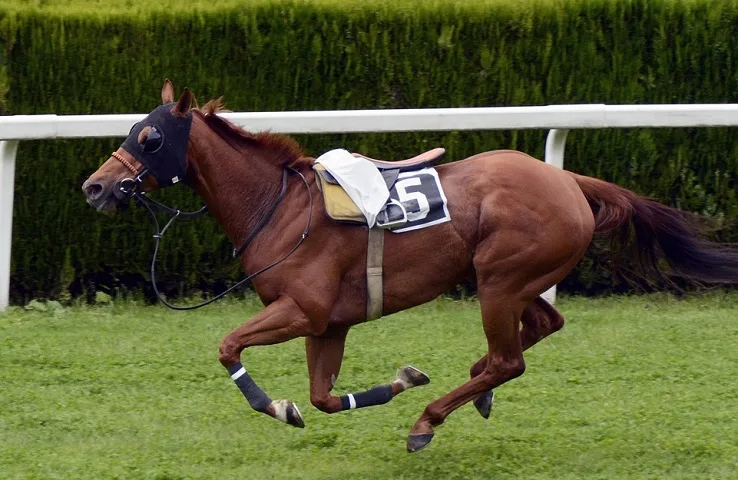
In rare cases, a horse may break loose before entering the starting gate. If this happens, the horse will often be scratched from the race.

What is a Late Scratch?
A late scratch is a scratch that happens minutes before the race begins. Late scratches typically are a result of a last-minute injury, refusing to enter the starting gate, or even a runaway.
There is typically a specific time frame to scratch a horse before it is considered a late scratch. In most cases, a scratch must be made at least 45 minutes before the start of the race. Late scratches may face penalization and/or repercussions from the racing commission.
What Happens if You Bet on a Horse That Got Scratched From the Race?
While it may be stressful if the horse you placed a bet on scratches, don’t fret. In most cases, you will be refunded for the bet you placed. However, the rules will vary by the racing jurisdiction.
You will get a full refund if the horse you placed a bet on scratched in these circumstances:
Win – Place – Show: You will get a refund after the race is official.
Exacta: If any of the horses you bet on scratch, you will receive a refund for your wager.
Trifecta: If any of the horses you bet on scratch, you will receive a refund for your wager.
Superfecta: If any of the horses you bet on scratch, you will receive a refund for your wager.
Super Hi-5: If any of the horses you bet on scratch, you will receive a refund for your wager.
These rules apply in other circumstances:
Daily Double: If you choose the winner of the first race and your selected horse in the second race is scratched, you will get a double consolation payout.
Pick 3: A late scratch in the first race of a Pick Three bet results in a refund. A late scratch in either the second or third race does not result in a refund. However, the ticker holder is entitled to a consolation payoff if the winners of the other two legs are chosen.